
Every week, homeowners ask us the same question: "Which one should I get?" The honest answer is — it depends on how you live. Here's the same breakdown we give at the shop, with no sales pitch attached.
Marble: the classic
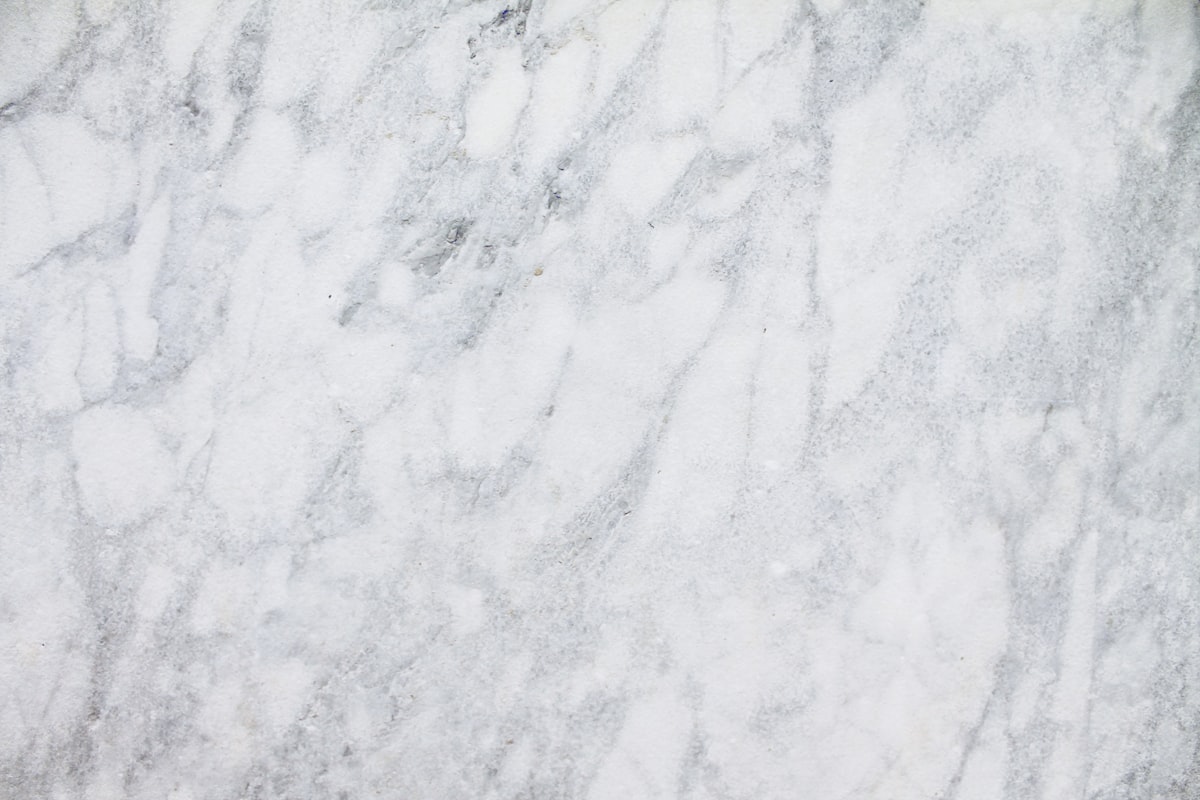
Nothing looks like real marble. The veining is one-of-a-kind on every slab, it stays cool to the touch, and it makes even a modest kitchen feel custom. It's the surface people fall in love with on sight.
The trade-off is that marble is a softer, porous stone. Acids — lemon juice, wine, tomato sauce — can etch the polish, and it needs sealing to resist stains. In a busy family kitchen it will develop a patina over time. Some owners love that lived-in character; others don't.
Quartz: the workhorse
Quartz counters are engineered — crushed natural quartz bound with resin. That gives them two big advantages: they're non-porous (no sealing, ever) and remarkably consistent. Spill wine and wipe it up tomorrow; it won't care.
Modern quartz lines do convincing marble looks, plus solid tones you can't get in nature. The main cautions: it's less heat-tolerant than natural stone (use trivets), and it's not for outdoor use — UV can discolor the resin.
Granite: the natural all-rounder
Granite is a hard, natural, igneous stone — more scratch and heat resistant than marble, with mineral patterns that range from subtle speckle to dramatic movement. Sealed once a year or so, it shrugs off daily kitchen life.
Because every slab is natural, no two are alike — which is why we always encourage customers to pick their actual slab, not a sample chip.
Side by side
| Marble | Quartz | Granite | |
|---|---|---|---|
| Look | Unique veining, luminous, classic | Consistent; convincing stone looks + solids | Natural mineral patterns, one-of-a-kind slabs |
| Durability | Softer; can etch and scratch | Very durable; avoid high heat | Very hard; heat and scratch resistant |
| Maintenance | Seal regularly; wipe acids fast | None — non-porous | Seal about once a year |
| Best for | Baths, vanities, statement pieces | Busy kitchens, rentals, low upkeep | Kitchens, high-traffic homes |
What about quartzite?
Quartzite — not to be confused with quartz — is a natural stone that looks like marble but wears more like granite. It's harder than marble, takes heat well, and comes in dramatic whites and greys. It needs sealing like other natural stone and usually sits at the higher end on price. If you love the marble look but fear the maintenance, ask us to show you quartzite slabs.
Our honest advice
Don't pick a material from a photo. Come see slabs in person, tell us how your household actually uses the kitchen, and we'll point you to the surface that fits — even if it's the less expensive option. We fabricate and install all of these in-house, so we have no reason to push one over another.
Still deciding? Talk it through with us.
Free estimates for Suffolk & Nassau County. Send photos of your space or just call.
Call (631) 384-2645